The financial world is rapidly evolving, and cryptocurrency payments are no longer a futuristic concept they are a reality. Businesses and consumers are increasingly using digital currencies for transactions, making the blockchain payment process a critical part of modern commerce. Understanding how crypto payment gateways interact with blockchain networks is essential for companies looking to adopt secure and efficient payment solutions.
This article will walk you through the entire process of crypto payment gateways to blockchain payments, explaining key components, benefits, and challenges.
What is a Crypto Payment Gateway?
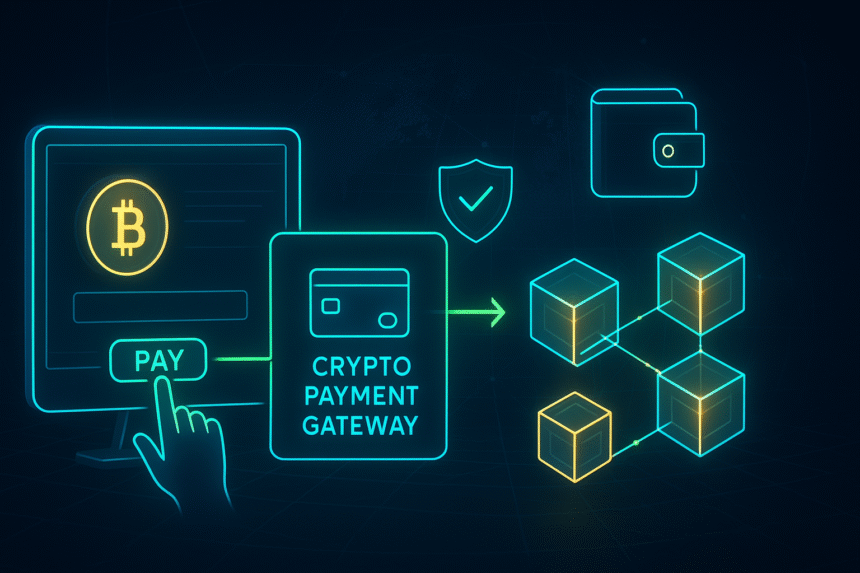
A crypto payment gateway acts as a bridge between traditional payment systems and blockchain networks. Similar to how traditional gateways like PayPal or Stripe process credit card payments, crypto gateways allow businesses to accept cryptocurrencies securely and efficiently.
Key functions of a crypto payment gateway include:
-
Transaction processing: Converts cryptocurrency payments into the desired currency if needed.
-
Wallet integration: Connects with users’ digital wallets for seamless payments.
-
Security verification: Ensures transactions are authenticated and protected against fraud.
By using a crypto payment gateway, businesses can tap into the growing population of crypto users while minimizing exposure to volatility and transaction errors.
Understanding the Blockchain Payment Process
The blockchain payment process refers to the steps a cryptocurrency payment takes from initiation to completion on the blockchain network. Unlike traditional payment systems, blockchain payments are decentralized, transparent, and immutable.
Step 1: Payment Initiation
The process begins when a customer decides to pay using cryptocurrency. Using a crypto wallet, the customer selects the desired coin (Bitcoin, Ethereum, etc.) and enters the payment amount.
Step 2: Gateway Verification
The crypto payment gateway verifies the transaction by checking:
-
Sufficient balance in the customer’s wallet
-
Correct wallet address for the recipient
-
Transaction fee calculation
This step ensures the payment is valid before it is broadcasted to the blockchain network.
Step 3: Broadcasting to the Blockchain
Once verified, the transaction is sent to the blockchain network. Nodes within the network validate the transaction, confirming that the sender has sufficient funds and the payment details are correct.
Step 4: Mining / Validation
Depending on the blockchain protocol, miners or validators confirm the transaction. For example:
-
Proof-of-Work (PoW): Miners solve complex mathematical puzzles to add the transaction to the blockchain.
-
Proof-of-Stake (PoS): Validators are selected based on their stake in the network to approve transactions.
This step ensures the payment is secure, immutable, and tamper-proof.
Step 5: Transaction Confirmation
Once validated, the transaction is recorded on the blockchain. The recipient receives confirmation that the payment has been completed, typically displayed in the crypto wallet or via the gateway dashboard.
Step 6: Settlement
The payment is settled either as cryptocurrency or converted to fiat currency through the payment gateway. Businesses can choose to hold crypto or receive fiat, depending on their strategy.
Benefits of the Blockchain Payment Process
Adopting the blockchain payment process offers several advantages for both businesses and customers:
-
Security: Blockchain’s decentralized nature reduces the risk of fraud and hacking.
-
Transparency: “The system records all transactions on a public ledger, ensuring accountability.”
-
Speed: Crypto payments, especially cross-border, can be faster than traditional banking transfers.
-
Lower Costs: Reduced reliance on banks and intermediaries lowers transaction fees.
-
Global Reach: Businesses can accept payments from customers worldwide without currency conversion issues.
Challenges in the Blockchain Payment Process
-
Volatility: Cryptocurrency values can fluctuate rapidly, affecting transaction value.
-
Regulatory Compliance: Different countries have varying regulations regarding crypto payments.
-
Technical Complexity: Integrating crypto gateways requires technical knowledge and secure systems.
-
Scalability: High network traffic can delay transaction confirmations on certain blockchains.
Understanding these challenges is essential for businesses planning to implement blockchain-based payments.
Best Practices for Implementing Crypto Payment Gateways
To optimize the blockchain payment process, businesses should follow these best practices:
-
Choose a Reliable Gateway: Opt for well-known crypto payment gateways that offer security, low fees, and multiple coin support.
-
Educate Your Team: Ensure staff are trained to handle crypto transactions and troubleshoot common issues.
-
Maintain Security Protocols: Use secure wallets, multi-signature authentication, and encryption to protect transactions.
-
Monitor Regulations: Stay updated with local laws and tax obligations related to cryptocurrency.
-
Offer Multiple Payment Options: Give customers flexibility by supporting multiple cryptocurrencies alongside traditional payment methods.
Future of Blockchain Payments
The blockchain payment process is evolving rapidly. Innovations like layer-2 scaling solutions, stablecoins, and decentralized finance (DeFi) platforms are enhancing transaction speed, reducing costs, and increasing adoption. Businesses that embrace crypto payments early can gain a competitive edge in the global marketplace.
FAQs About Blockchain Payment Process
Q1: What is the difference between a crypto gateway and a blockchain?
A crypto payment gateway is a tool to process crypto transactions, while the blockchain is the underlying network that records and validates those transactions.
Q2: Can I convert crypto payments to fiat automatically?
Yes, most crypto payment gateways offer automatic conversion to fiat currency to minimize exposure to volatility.
Q3: How long does a blockchain payment take?
Transaction time depends on the blockchain network and congestion. For example, Bitcoin can take 10–30 minutes, while Ethereum may take a few minutes.
Q4: Are blockchain payments secure?
Yes, blockchain payments are highly secure due to decentralization, cryptography, and consensus mechanisms.
Q5: Can businesses accept multiple cryptocurrencies?
Absolutely. Many crypto payment gateways support multiple coins like Bitcoin, Ethereum, Litecoin, and stablecoins.
Conclusion
The process of crypto payment gateways to blockchain payments is revolutionizing how businesses and consumers transact globally. Understanding the blockchain payment process is essential for leveraging the benefits of security, transparency, and efficiency that cryptocurrencies offer. By following best practices and choosing reliable gateways, businesses can seamlessly integrate crypto payments into their operations and stay ahead in the rapidly evolving digital economy.