Managing money well is both a need and a challenge in today’s fast-changing financial world. When you plan your finances the old-fashioned way, you usually have to fill out a lot of paperwork, talk to many different advisors, and keep track of your spending, saving, and investing by hand, which takes a lot of time. That is where fintech financial planning comes in. It combines technology and economic strategy in a way that makes it easier and better for people and businesses to manage their money.
Fintech, which stands for “financial technology,” is a term for digital tools that use automation, real-time analysis, and data-driven insights to improve financial services. People don’t have to rely only on traditional financial advisors or complicated spreadsheets anymore because of fintech. With modern fintech platforms, users can keep track of cash flow, manage investments, and plan for long-term goals more quickly and accurately.
Fintech financial planning gives you the tools and strategies you need to make smart choices and feel safe with your money, whether you’re a professional just starting, a parent saving for your kids’ education, or an entrepreneur running a growing business.
Getting to Know Fintech Financial Planning
Fintech financial planning is the use of technology-based tools and platforms to make, carry out, and keep an eye on financial plans that are specific to a person’s or a business’s goals. Traditional financial planning often requires face-to-face meetings and manual calculations. Fintech solutions, on the other hand, give you instant insights and automated suggestions based on your financial behavior, risk tolerance, and goals.
Fintech financial planning is all about using technology and finance together to help people with things like budgeting, managing investments, keeping track of debt, planning for retirement, and getting real-time analytics. These platforms use AI, machine learning, and cloud computing to give you personalized solutions, often at a much lower cost than hiring a traditional financial advisor.
Fintech financial planning has effects that go beyond just making things easier. It gives users more power to make better financial decisions by making things clear and giving them more control. That cuts down on mistakes and saves time. It fills the gap between knowing about money and putting that knowledge into action so that anyone can take charge of their financial future, no matter how much experience they have.
Why Fintech Financial Planning Is Important
In a world where the economy is unstable, inflation is rising, and there are many complicated investment options, it’s very important to manage your money well. Fintech financial planning helps with these problems by giving people solutions that are easy to find, correct, and useful.
One of the best things about fintech financial planning is that it can be done automatically. People don’t have to worry about things like keeping track of their spending, figuring out how much money they need to save, or rebalancing their investment portfolios because these tasks can be done automatically. Automation also helps you stick to your financial goals, whether they are saving for a house, building an emergency fund, or planning for retirement.
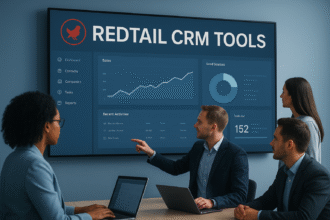
Fintech solutions also give you information in real time. Interactive dashboards let users keep an eye on their spending habits, investment returns, and overall financial health. This data-driven method lets people make decisions ahead of time, which helps them avoid financial problems and take advantage of chances as they come up.
Another important thing is how easy it is to get to. People with a lot of money used to be the only ones who could get financial planning services. Fintech platforms make advanced tools available to everyone, so anyone with a smartphone or computer can do full financial planning. This openness makes sure that people of all income levels can use strategies that were once out of reach.
Parts of Fintech Financial Planning
A strong fintech financial planning strategy has many parts that work together. Each of these parts is very important for making sure that all aspects of financial management are taken care of.
Budgeting and keeping track of expenses are often the first steps in making a financial plan. Fintech platforms automatically keep track of income and expenses, sort spending into categories, and show users where they can save money. Users can better use their resources, put important expenses first, and save for future goals without feeling limited, thanks to these insights.
Investment management is another important part. Fintech tools, like robo-advisors, suggest investment portfolios based on how much risk you’re willing to take and your financial goals. These platforms keep an eye on market trends and adjust investments to get the best returns. Even people who are new to investing can use advanced strategies without knowing a lot about money.
Fintech platforms make it easier to plan for retirement. They figure out how much money you need to retire comfortably by looking at your current savings, expected contributions, and projected growth. People can set up automatic contributions to their retirement accounts, which keeps them on track without them having to do anything.
Another important part is risk assessment and management. Fintech platforms look at people’s finances and offer ways to protect them from market swings and unexpected costs. These platforms provide full financial protection by combining investment diversification, insurance recommendations, and emergency fund management.
Users can see how their finances are doing at any given time with Real-Time Analytics and Reporting. Interactive dashboards, graphs, and reports show how much money you spend, how much you own, how well your investments are doing, and how close you are to reaching your financial goals. These tools help people make smart choices and keep improving their economic plans.
Advantages of Fintech for Financial Planning
There are many benefits to using fintech in financial planning. First, it makes things run more smoothly. Users save time and make fewer mistakes by automating everyday financial tasks. Second, fintech makes things easier to get to. People can use tools and get information whenever and wherever they want, without having to go to a meeting in person.
Another important benefit is openness. People can see exactly where their money is going, how their investments are doing, and if they are on track to reach their financial goals. Being open about things makes people more responsible, which is necessary for long-term financial discipline.
Fintech financial planning also gives managers the tools they need to reach their goals. Users stay focused and motivated by setting clear goals and keeping track of their progress. Fintech platforms help people achieve their goals, whether they want to pay off debt, build wealth, or get ready for retirement.
Finally, fintech is cost-effective. For small investors or startups, traditional financial advisory services can be very expensive. Fintech platforms lower these costs while still giving you access to professional-grade tools and insights.
How to Use Fintech for Financial Planning
To make fintech financial planning work, you need to have a plan. First, it’s important to set clear financial goals. These goals should include both short-term objectives, such as managing monthly expenses, and long-term aspirations, such as retirement savings or wealth accumulation. Having clear goals helps you make all of your financial decisions.
Second, it’s very important to choose the right fintech platform. Not every platform has the same features or meets all of your financial needs. Users should evaluate tools based on factors like usability, automation capabilities, investment options, security measures, and customer support.
The next step is to connect financial accounts after choosing a platform. Linking your bank accounts, credit cards, loans, and investment portfolios gives you a full and accurate picture of your financial health. Full integration makes it possible to provide precise analysis and suggestions that are specific to the user’s needs.
After integration, it’s important to automate savings and investments to keep things consistent. Scheduled transfers to savings accounts or automatic contributions to investment portfolios help users stick to their financial plan without having to think about it all the time.
Finally, keeping an eye on and reviewing progress makes sure that financial plans stay useful. Changes in life, the market, or unexpected costs may mean that the plan needs to be changed. Users can stay in control of their money and make proactive decisions by regularly checking dashboards, reports, and alerts.
Financial Planning for Businesses with Fintech
Fintech financial planning can help businesses of all sizes a lot. Managing a company’s finances means keeping an eye on cash flow, paying bills, making sure taxes are paid, and making investment plans. Traditional ways of keeping track of money and accounting often need a lot of people and can lead to mistakes.
Fintech solutions make it easier for businesses to manage their finances by using automation, analytics, and predictive insights. Small businesses can make fewer mistakes and save time on their books. Startups can use AI-driven forecasts to plan for growth and make smart decisions about how to use their resources. Integrated fintech platforms can help big businesses handle a lot of different financial tasks at once, making sure that everything runs smoothly and follows the rules.
Fintech financial planning tools also give business owners information that helps them make strategic decisions. Businesses can find ways to make more money by looking at their spending habits, income sources, and market trends.
Problems with Fintech Financial Planning
Fintech financial planning has a lot of benefits, but it also has some problems. Cybersecurity is a big worry. Because financial data is very sensitive, it is very important to keep it safe from cyber threats. Users should choose platforms that have strong encryption, multi-factor authentication, and follow data protection rules.
Another problem is being too dependent on technology. Relying too much on fintech tools could make people less financially smart and less able to think critically. To make smart choices, people should use technology and know some basic financial concepts.
The market can also be risky. Fintech platforms can suggest investments and create automated investment strategies, but changes in the economy that are hard to predict can still affect the results. Users need to stay alert and change their plans when they need to.
Finally, some fintech platforms may not be able to personalize their services very well. AI-driven recommendations can be helpful, but they may not take into account all of your unique circumstances. That means that users may need to get professional help in addition to digital advice.
The Future of Financial Planning in Fintech
Fintech financial planning has a bright future, with new ideas that keep changing the way money works. Artificial intelligence and machine learning should make predictions even smarter, risk assessments even more accurate, and recommendations that are very specific to each person. Blockchain technology could make financial transactions safer, more open, and faster.
Voice-assisted financial planning is likely to become common, letting people use AI assistants to manage their money without having to touch it. Also, fintech is becoming more available around the world, which means that people in emerging markets can now do full financial management for the first time.
As these new technologies improve, fintech financial planning will become easier to use, faster, and available to everyone, no matter how much money they make or how much experience they have.
Questions and Answers About Fintech Financial Planning
Q: What does it mean to do fintech financial planning?
A: Fintech financial planning is using digital tools and platforms to handle money matters like budgeting, investing, planning for retirement, and keeping track of expenses. It uses automation, AI, and analytics to make personalized financial plans.
Q: Who can use fintech to help them plan their finances?
A: Anyone, from people who are new to investing to people who have been doing it for a long time, can benefit. People, families, and businesses can easily, quickly, and effectively manage their money with fintech platforms.
Q: Is it safe to use fintech for financial planning?
A: Yes, most trustworthy fintech platforms use encryption, multi-factor authentication, and follow the rules to keep data safe. Users should pick platforms they can trust and always be on the lookout for cyber threats.
Q: Can fintech financial planning take the place of regular financial advisors?
A: Fintech works with advisors, but it doesn’t completely replace them. Even though automation and AI can give you useful information, you may still need professional help with complicated financial decisions or personalized plans.
Q: How often should I use fintech tools to update my financial plan?
A: To make sure that your strategies are still in line with your goals, you should review your financial plan every three months or after big life changes like getting married, changing jobs, or making a big investment.
Q: Do I need to know a lot about money to use fintech platforms?
A: No. Most fintech platforms are made to make managing money easier. They do this by giving step-by-step instructions, making suggestions automatically, and providing easy-to-use dashboards that work for both new and experienced users.
Final Thoughts
Fintech financial planning has completely changed how people and businesses handle their money. It gives people easy-to-understand, accurate, and useful ways to reach their financial goals by combining technology with financial knowledge.
Fintech solutions give users the tools they need to make smart choices about their money, save time, and lower their financial stress. These tools can help with everything from budgeting and managing investments to planning for retirement and running a business. Fintech financial planning will become the most important part of modern economic management as it continues to evolve and become more widely used. It will help everyone have a safe and successful financial future.
By using fintech for financial planning today, you can take charge of your money, lower your risks, and set yourself up for long-term economic success.