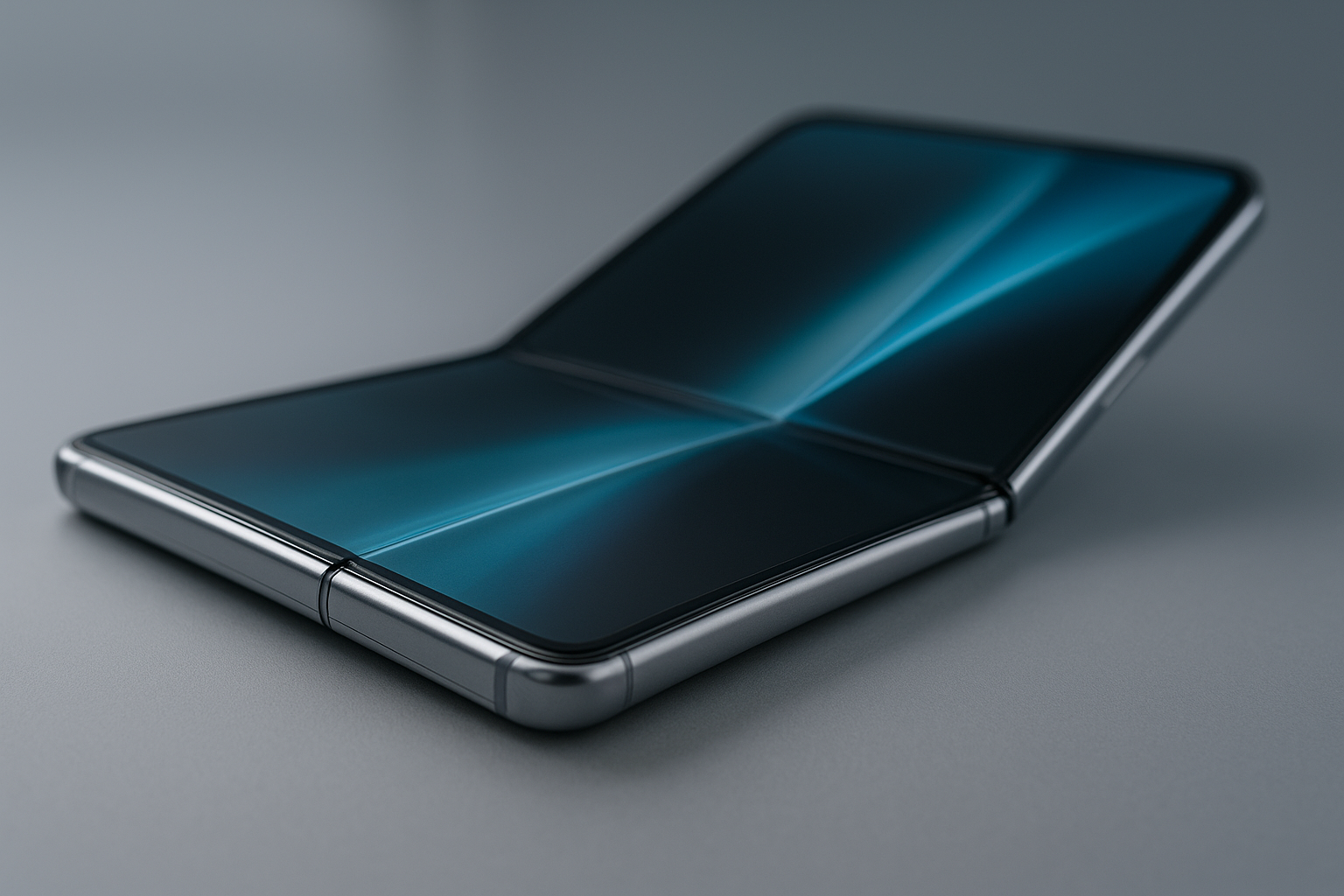
Foldable smartphones have changed mobile technology by combining the ease of use of a small device with the usefulness of a bigger screen. However, many users are still worried about how long they will last. Modern foldable phones have advanced hinge systems and ultra-thin, flexible displays that can handle tens of thousands of folds. However, they are more fragile than regular smartphones. To make their products last longer, manufacturers are now using reinforced glass, water-resistant coatings, and designs that keep dust out. Software updates also stop the hinges from getting too much stress. Even with these new features, foldable devices still need to be handled with care so that they don’t get too much pressure or dirt in the hinge. Tests of durability show that most high-end foldables can last for several years without showing much wear and tear if they are taken care of properly. This makes them a good choice for people who want a mix of portability, innovation, and cutting-edge technology.
The smartphone market has entered a new phase with the arrival of foldable devices. These innovative phones offer larger screens that can be folded into compact sizes, giving users a blend of portability and productivity. However, with this advanced technology comes an important question: how durable are foldable smartphones? This comprehensive foldable smartphone durability review explores build quality, hinge strength, display protection, and long-term reliability based on current industry standards.
Understanding Foldable Smartphone Technology
Foldable smartphones stand out because of their flexible OLED or AMOLED displays, which can bend without cracking. This allows them to function like tablets while remaining pocket-friendly. Their key advantages include:
-
Extra workspace for multitasking
-
Enhanced media consumption
-
Better gaming experiences
-
Productivity-focused interface
While these features are attractive, durability remains a major concern among potential buyers.
Build Materials and Overall Strength
Modern foldable smartphones have seen noticeable improvements in construction. Manufacturers such as Samsung, Oppo, Huawei, Motorola, and Honor have focused on stronger frames and better protection. Common durability enhancements include:
-
Reinforced aluminum frames designed to prevent bending
-
Ultra-thin glass layers offering superior flexibility
-
Strong hinge components built to withstand repeated folding
These improvements make fourth- and fifth-generation foldables far more reliable compared to early versions.
Hinge Performance and Longevity
The hinge system is the core of every foldable smartphone. It controls movement, protects internal wiring, and ensures display alignment. To guarantee long life, brands test their hinges through repetitive folding cycles, exposure to dust, temperature variations, and pressure resistance.
Most new foldables are rated for more than two hundred thousand folds, which is estimated to last beyond five years of frequent daily use. Updated hinge designs reduce friction and maintain smooth operation over time.
Display Protection and Scratch Resistance
Despite advancements, foldable displays are still more delicate than standard smartphone glass. Since the screen must bend, manufacturers cannot apply thick protective layers like those found on normal devices. To counter this, companies use:
-
Ultra-thin glass with flexibility
-
Polymer protective sheets
-
Anti-smudge coatings
However, users should avoid placing foldable devices near sharp items, as these screens are more susceptible to scratches.
Resistance to Dust and Water
Dust remains a major durability challenge. Tiny particles can enter the hinge mechanism, potentially leading to scratches or reduced folding smoothness. While recent models have gained water resistance ratings, dust protection is still limited due to the open gaps required for the folding motion.
Some flagships are rated with IPX8 water resistance, allowing survival against splashes or accidental submersion.
Screen Crease Visibility
The most commonly discussed issue is the crease that appears along the folding line. While it does not impact performance, it can be noticeable depending on lighting angles or content viewed. Manufacturers continue working on reducing crease depth, and newer devices show gradual improvements.
Drop Protection and Impact Resistance
Drop tests reveal that foldable smartphones are more vulnerable when opened because their screens are more exposed. Damage may occur to the hinge, flexible display, or internal layers. When closed, the outer shell offers some natural protection.
Owners are advised to use protective cases designed specifically for foldable models.
Internal Component Security
Internal parts must be arranged differently compared to traditional phones. Brands use dual battery systems, flexible circuit boards, and cushioning layers to protect components when the phone bends. These engineering upgrades increase durability under daily bending stress.
Long-Term User Experience
Feedback from real-world users over a year or more highlights minor hinge loosening, occasional screen protector changes, and fingerprints on the inner display. However, most individuals praise the productivity benefits, multitasking features, and portability.
Long-term satisfaction scores for premium foldables remain high.
Foldable vs Traditional Smartphones
| Feature | Foldable Smartphone | Regular Smartphone |
|---|---|---|
| Scratch protection | Moderate | High |
| Drop resistance | Moderate | High |
| Screen flexibility | High | Low |
| Water resistance | Medium | High |
| Structural strength | Medium | High |
Foldable phones provide incredible versatility but require more careful handling.
Maintenance Tips for Foldable Devices
To extend lifespan, users should:
-
Keep hinge areas free from dust
-
Avoid pressing too firmly on the center of the display
-
Install quality screen protectors
-
Avoid carrying the device with sharp objects
-
Use recommended foldable-compatible cases
Proper care significantly increases device longevity.
Is a Foldable Smartphone Worth Purchasing in 2025?
Consumers who value innovation, large displays, and advanced multitasking will benefit greatly from foldable technology. Durability continues to improve with each generation. For those who prioritize ruggedness, standard smartphones may still offer better resistance to drops and scratches.
Advantages of Foldable Smartphone Durability
-
Stronger hinge construction
-
Greater water resistance improvements
-
Enhanced ultra-thin glass protection
-
Better anti-dust architecture
-
Multi-year structural stability
Limitations of Foldable Smartphone Durability
-
Higher repair expenses
-
Visible crease at fold position
-
Less scratch resistance
-
Limited dust protection
Final Verdict: Foldable Smartphone Durability Review
Current foldable smartphones are far more durable than early models. With strengthened hinges, improved flexible glass, and more reliable internal design, they are now suitable for daily use. Although not as rugged as traditional devices, careful handling allows them to last several years.
Foldable phones represent the future of mobile technology, offering a new level of convenience and functionality.
Frequently Asked Questions
Q1:Are foldable phones more likely to break than regular phones?
Yes, they need to be handled carefully because their screens and hinges are flexible.
Q2:How many times can a foldable phone usually be folded?
Most new devices can handle 200,000 or more folds.
Q3:Are foldable phones easy to scratch?
Yes, flexible screens are softer than regular glass, so it’s best to use a case.
Q4:Do foldables keep water out?
Some models can only handle a little water, but most of them can’t handle a lot.
Q5:Do hinge mechanisms break down over time?
High-quality hinges are made to last, but dirt and rough handling can shorten their life.
Q6:How much does it cost to fix the screen?
Yes, repairs are usually more expensive than for regular smartphones because of the flexible display.
Q7:Can I put screen protectors on phones that fold?
You can only safely use flexible protectors that are made for this purpose.
Q8:Do foldable phones feel heavier than regular phones?
A little, because of the extra layers and hinge parts.
Q9:Are phones that fold up good for gaming?
Yes, big screens make games better, but how well they work depends on the model’s specs.
Q10:Will foldable phones last for a few years?
They can last 2 to 4 years or longer if you take care of them and use them carefully.
Conclusion
This foldable smartphone durability review confirms that the newest generations are reliable, practical, and built with stronger materials. While some limitations remain, durability improvements have made these devices suitable for everyday use. With proper maintenance, a foldable smartphone can serve its user for several years while offering a unique and productive experience.