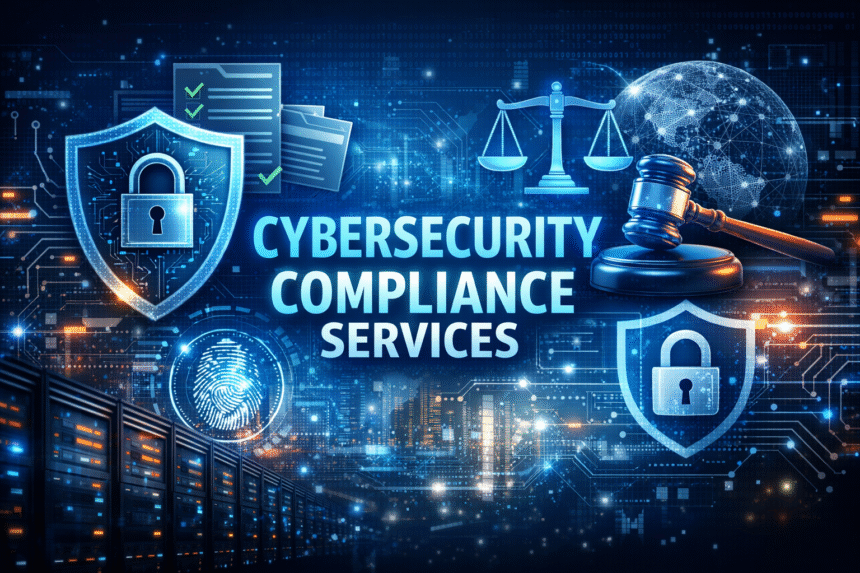
In the digital era, organizations depend heavily on technology to store data, manage operations, and deliver services. This dependence has increased exposure to cyber threats, regulatory scrutiny, and data privacy risks. Businesses of all sizes must now meet strict security requirements to protect sensitive information and maintain trust. Cybersecurity compliance is no longer a choice but a business necessity that directly impacts reputation, legal standing, and operational continuity.
Cybersecurity compliance services help organizations understand, implement, and maintain security standards required by laws and industry regulations. These services ensure that systems, processes, and people align with recognized security frameworks. As cybercrime continues to evolve, compliance provides a structured defense that reduces risk while supporting business growth.
Understanding Cybersecurity Compliance in Today’s Digital Landscape
Cybersecurity compliance refers to the process of meeting specific security standards established by regulatory bodies, governments, and industry organizations. These standards exist to ensure that businesses handle data responsibly and protect it from unauthorized access, misuse, or loss. Compliance focuses on safeguarding personal data, financial records, intellectual property, and operational systems.
In modern business environments, compliance extends beyond technical controls. It includes governance, risk management, documentation, employee awareness, and continuous monitoring. Organizations must demonstrate that they actively manage cyber risks rather than react after an incident occurs. Cybersecurity compliance services guide businesses through this complex process by translating regulatory language into practical security actions.
Why Cybersecurity Compliance Is Critical for Business Survival
The consequences of non-compliance can be severe. Regulatory penalties, legal actions, business disruption, and reputational damage often follow data breaches or compliance failures. Customers expect organizations to protect their data, and any failure can result in loss of trust that takes years to rebuild.
Cybersecurity compliance strengthens internal security posture by enforcing best practices. It reduces vulnerabilities that attackers often exploit. It also creates accountability by defining roles, responsibilities, and procedures. Businesses that prioritize compliance are better positioned to handle incidents, respond to audits, and adapt to changing regulations.
The Role of Cybersecurity Compliance Services
Cybersecurity compliance services act as a bridge between regulatory requirements and real-world security implementation. These services assess existing systems, identify compliance gaps, and help organizations align with relevant standards. They also provide ongoing support to ensure continuous compliance as regulations and threats evolve.
Organizations often lack the internal expertise needed to interpret complex regulations. Compliance services bring specialized knowledge, industry experience, and proven methodologies. This support allows businesses to focus on core operations while maintaining a strong compliance framework.
Key Regulations and Standards Driving Cybersecurity Compliance
Different industries face different compliance obligations depending on the type of data they handle and the regions they operate in. Data protection laws and security standards have become more comprehensive to address modern cyber risks.
International standards such as ISO/IEC 27001 establish a systematic approach to information security management. Data privacy regulations like GDPR focus on protecting personal information and ensuring transparency in data handling. Industry-specific requirements such as HIPAA for healthcare and PCI DSS for payment processing define strict controls for sensitive data.
Cybersecurity compliance services help organizations determine which regulations apply to them and how to meet those requirements effectively.
The Compliance Lifecycle and Continuous Security Improvement
Cybersecurity compliance is not a one-time project. It is an ongoing lifecycle that requires continuous attention. Organizations must regularly review policies, update controls, and monitor systems to remain compliant. Changes in technology, business processes, or regulations can introduce new risks that must be addressed.
Compliance services support this lifecycle by providing periodic assessments, audits, and improvement plans. Continuous monitoring ensures that security controls remain effective and aligned with current threats. This proactive approach reduces the likelihood of compliance failures and security incidents.
Risk Assessment as the Foundation of Compliance
Risk assessment is a critical component of cybersecurity compliance. It involves identifying assets, threats, vulnerabilities, and potential impacts. This process helps organizations prioritize security efforts based on risk severity.
Compliance services conduct thorough risk assessments to uncover weaknesses that may lead to data breaches or regulatory violations. These assessments form the basis for implementing appropriate security controls. By understanding risk exposure, businesses can make informed decisions that balance security and operational efficiency.
Security Policies and Governance in Compliance Frameworks
Strong security policies define how an organization protects its data and systems. Policies cover access control, data classification, incident response, and acceptable use of technology. Governance structures ensure that these policies are enforced consistently across the organization.
Cybersecurity compliance services assist in developing clear and practical policies that align with regulatory requirements. Effective governance ensures accountability and provides a framework for decision-making during security incidents. Well-defined policies also support employee awareness and training efforts.
Technical Controls Supporting Cybersecurity Compliance
Technical controls form the backbone of cybersecurity compliance. These controls include network security, encryption, identity management, and system monitoring. They prevent unauthorized access and detect suspicious activity before it escalates into a major incident.
Compliance services evaluate existing technical controls and recommend improvements where necessary. They ensure that controls meet regulatory expectations while integrating seamlessly with business operations. Proper implementation of technical safeguards significantly reduces cyber risk.
Human Factors and the Importance of Security Awareness
Employees play a crucial role in cybersecurity compliance. Many security incidents result from human error, such as weak passwords or phishing attacks. Compliance frameworks emphasize the need for regular training and awareness programs.
Cybersecurity compliance services often include employee education initiatives. These programs help staff understand security responsibilities and recognize potential threats. A well-informed workforce strengthens the organization’s overall security posture and supports compliance objectives.
Documentation and Evidence for Regulatory Audits
Documentation is a core requirement of cybersecurity compliance. Organizations must maintain records that demonstrate adherence to security standards. That includes policies, procedures, risk assessments, and audit reports.
Compliance services help businesses create and maintain accurate documentation. Proper documentation simplifies audits and provides evidence of due diligence. It also supports internal reviews and continuous improvement efforts.
Cybersecurity Compliance Services for Different Business Sizes
Large enterprises often have dedicated security teams, but they still rely on compliance services for specialized expertise. Small and medium businesses, on the other hand, may lack internal resources altogether. Compliance services offer scalable solutions that meet the needs of organizations at different stages of growth.
For smaller businesses, compliance provides a structured approach to security that may otherwise be difficult to achieve. It helps them compete with larger organizations by demonstrating commitment to data protection and regulatory standards.
Addressing Common Compliance Challenges
Many organizations struggle with the complexity of cybersecurity regulations. Keeping up with changing requirements, managing documentation, and allocating resources can be challenging. Limited budgets and competing priorities often delay compliance efforts.
Cybersecurity compliance services address these challenges by providing clear guidance and efficient processes. They help organizations focus on critical areas and avoid unnecessary complexity. Expert support reduces the risk of costly mistakes and compliance failures.
The Business Value of Cybersecurity Compliance
Beyond regulatory requirements, compliance delivers tangible business value. It enhances customer trust, strengthens brand reputation, and supports long-term sustainability. Organizations that demonstrate strong compliance practices are more attractive to partners, investors, and clients.
Cybersecurity compliance services help businesses align security with strategic goals. Compliance becomes an enabler rather than a burden when integrated into business processes. This alignment supports innovation while maintaining robust security controls.
Selecting the Right Cybersecurity Compliance Partner
Choosing the right compliance partner is essential for success. Organizations should look for providers with experience in relevant regulations and industries. A good partner offers tailored solutions rather than generic templates.
Effective cybersecurity compliance services focus on collaboration and transparency. They work closely with internal teams to build sustainable compliance frameworks. Long-term partnerships provide ongoing support as regulations and threats evolve.
The Future of Cybersecurity Compliance
Cybersecurity compliance will continue to evolve as technology advances. Cloud computing, remote work, and digital transformation introduce new security challenges. Regulators are responding with updated requirements that emphasize resilience and accountability.
Automation and advanced analytics are becoming more common in compliance management. These tools improve efficiency and provide real-time visibility into security posture. Cybersecurity compliance services are adapting to these trends by integrating technology with expert guidance.
Cybersecurity Compliance and Organizational Culture
A strong security culture is essential for effective compliance. Leadership commitment, employee engagement, and continuous improvement create an environment where security becomes part of everyday operations.
Compliance services help organizations embed security into their culture. By aligning policies, training, and governance, they foster a proactive approach to risk management. A positive security culture reduces incidents and supports regulatory compliance.
Managing Third-Party Risks Through Compliance
Many organizations rely on third-party vendors for critical services. These relationships introduce additional security risks that must be managed carefully. Compliance frameworks often require organizations to assess and monitor third-party security practices.
Cybersecurity compliance services assist in evaluating vendor risks and establishing appropriate controls. This oversight ensures that third-party relationships do not compromise compliance or security objectives.
Incident Response and Compliance Readiness
No organization is immune to cyber incidents. Compliance frameworks emphasize the importance of incident response planning. A well-defined response plan minimizes damage and ensures regulatory obligations are met.
Compliance services help organizations develop and test incident response procedures. Preparedness improves response times and reduces the impact of security incidents. Effective incident management supports compliance and business continuity.
Measuring and Improving Compliance Performance
Compliance performance must be measured to ensure effectiveness. Key indicators include audit results, incident trends, and risk assessment outcomes. Regular reviews identify areas for improvement and support continuous enhancement.
Cybersecurity compliance services provide tools and expertise to measure compliance maturity. Ongoing assessment helps organizations adapt to new risks and maintain alignment with regulatory expectations.
Long-Term Benefits of Investing in Cybersecurity Compliance
Investing in compliance delivers long-term benefits that extend beyond regulatory requirements. It strengthens resilience, reduces operational risk, and supports sustainable growth. Organizations that prioritize compliance are better prepared for future challenges.
Cybersecurity compliance services provide the foundation for secure digital transformation. They help organizations innovate with confidence while maintaining robust security controls.
Frequently Asked Questions About Cybersecurity Compliance
What are cybersecurity compliance services, and why are they important?
Cybersecurity compliance services help organizations meet security regulations and standards, reducing risk and ensuring data protection.
Is cybersecurity compliance required for all businesses?
Requirements vary by industry and region, but most businesses handling sensitive data must follow some form of compliance.
How often should compliance be reviewed?
Compliance should be reviewed regularly, especially after changes in systems, regulations, or business operations.
Can compliance improve overall cybersecurity?
Yes, compliance enforces best practices that strengthen security posture and reduce vulnerabilities.
Do compliance services support audits?
Yes, they provide documentation, assessments, and guidance to prepare for regulatory audits.
Conclusion
Cybersecurity compliance is a fundamental aspect of modern business operations. It protects sensitive data, ensures regulatory adherence, and builds trust with stakeholders. As cyber threats and regulations continue to evolve, organizations must adopt a proactive and structured approach to compliance.
Cybersecurity compliance services provide the expertise and support needed to navigate complex requirements and maintain strong security frameworks. By investing in compliance, businesses not only meet regulatory expectations but also create a secure foundation for growth and innovation in an increasingly digital world.