Cybersecurity is now a key part of the digital world we live in. As technology keeps changing, people and businesses rely more on digital systems for things like communication, running a business, making payments, getting health care, and storing personal information. This heavy reliance on technology has also made people more vulnerable to cyber threats. Cybersecurity is there to keep digital systems safe from these threats, but it does much more than that.
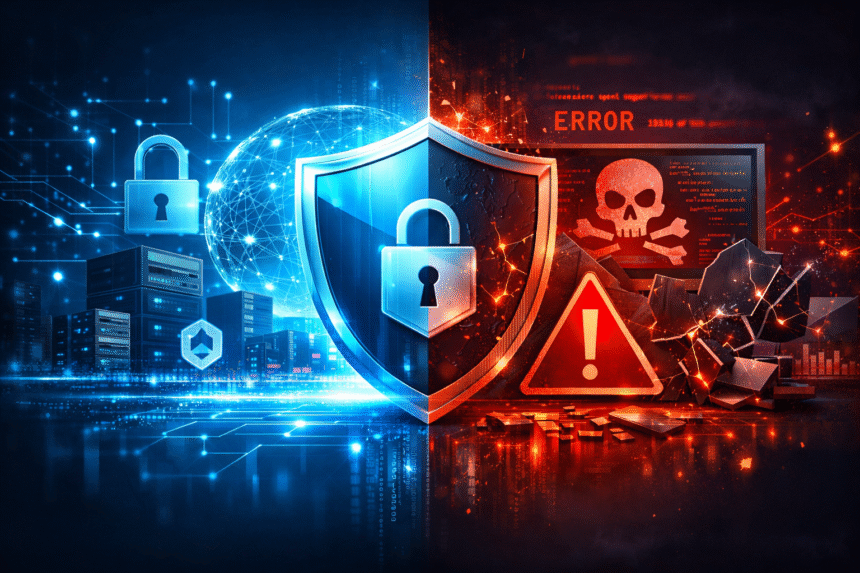
People, businesses, and governments all need to know the five good and bad effects of cybersecurity. Cybersecurity is very useful because it protects data, builds trust, and keeps businesses stable. At the same time, it brings up problems like high costs, difficulty, and worries about privacy. This article goes into excellent detail about both sides, using simple language and a full set of facts.
Cybersecurity is the set of rules, tools, and practices that keep computers, networks, servers, mobile devices, and data safe from unauthorized access, attacks, and damage. Cyber threats can come in many forms, such as malware, ransomware, phishing attacks, hacking attempts, and data breaches.
Cybersecurity used to be something that only big businesses cared about. People who use smartphones and social media today also need protection. Every time you do something online, you make data, and that data is useful. Cybercriminals want this value, so cybersecurity is a must, not a choice.
Cybersecurity is even more important now that cloud computing, remote work, online shopping, and digital payments are all becoming more common. Digital systems can be very dangerous if they don’t have the right security measures in place.
How important is cybersecurity in everyday life?
People don’t realize how much cybersecurity affects their daily lives. Secure systems are necessary for online banking, shopping, email, healthcare portals, and even smart home devices. A single cyberattack can stop services, leak private information, and cost money.
Cybersecurity protects businesses’ ability to keep running and their customers’ trust. It protects national infrastructure and public services for governments. It protects people’s identities, privacy, and money. These things show how closely cybersecurity is linked to modern life.
To fully understand its role, we need to look at both the good and bad things it does in detail.
The good things about cybersecurity include protecting personal and sensitive data
One of the best things about cybersecurity is that it protects sensitive data. Companies keep a lot of information, like customer information, financial records, trade secrets, and employee information. Encryption, secure authentication, and access controls are some cybersecurity tools that help keep this information safe from people who shouldn’t have it.
Cybersecurity protects personal information like passwords, bank account numbers, and identity information for people. Protecting data greatly lowers the chances of identity theft and fraud. This protection makes people more confident in digital platforms and encourages safe online behaviour.
Data protection is also very important for following the law and rules. Many countries have strict regulations about protecting data, and cybersecurity helps businesses follow these rules.
Lessening the financial damage caused by cybercrime
Cybercrime can cause a lot of damage to your finances. Businesses can lose money because of stolen money, operations that are stopped, legal fees, and costs of getting back on track. Cybersecurity lowers these risks by blocking attacks and finding threats early.
Secure payment systems keep online transactions safe, and fraud detection technologies find activities that seem suspicious. This protection makes businesses run more smoothly and lessens the financial effects of cyber incidents.
Cybersecurity tools like secure browsers and antivirus software help people avoid scams and unauthorized transactions that could cost them money.
More trust in digital systems and services
Trust is very important in the digital world. When people use websites, apps, and online services, they need to be sure that their data is safe. Cybersecurity helps people trust systems by making sure they are secure and work as they should.
Companies show they care about protecting user data when they spend money on strong cybersecurity measures. That makes the brand look better and keeps customers coming back. Trusted digital systems also help e-commerce, online learning, and digital communication grow.
Cybersecurity builds trust, which makes more people want to use digital services. That helps technology move forward, and the economy grow.
Stability of Operations and Business Continuity
Cyber attacks can stop businesses from working by shutting down systems, corrupting data, or locking access with ransomware. Cybersecurity protects systems and makes it easy to get back to work quickly after an incident, which helps keep businesses running.
Organizations can get back to work with little downtime thanks to backup systems, disaster recovery plans, and constant monitoring. This stability is important for keeping customers happy and productivity high.
Operational stability also makes things less stressful for employees and managers, which lets companies focus on growth instead of always dealing with problems.
Support for digital transformation and new ideas
Cybersecurity is very important for making new things possible. For new technologies like AI, cloud computing, and the Internet of Things to work, they need safe places to do so. It would be too dangerous to use these technologies without cybersecurity.
A safe digital space makes businesses want to try new things and work more efficiently. Cybersecurity that supports innovation leads to better services, higher productivity, and a competitive edge.
This good effect shows that cybersecurity is more of a help than a hindrance to digital progress.
Bad Effects of Cybersecurity
High Costs of Setting Up and Keeping Up
Cost is one of the worst things about cybersecurity. To set up strong security systems, you need to buy software and hardware and hire skilled people. Ongoing maintenance, updates, and monitoring also cost money.
Small and medium-sized businesses often can’t afford advanced cybersecurity solutions. This money problem can make it harder for them to protect their digital assets.
Some businesses may find it hard to invest in cybersecurity because of the high costs, which can take resources away from other important business activities.
Cybersecurity systems are hard to understand
Cybersecurity systems can be hard to understand and hard to use. To set up and keep firewalls, intrusion detection systems, and access controls working properly, you need technical knowledge.
Employees may not understand security procedures, which can lead to mistakes or not following them. More complicated systems may also make it more likely that they will be set up incorrectly, which can make systems less secure instead of more secure.
That makes it hard to manage cybersecurity, especially for businesses that don’t have a lot of technical resources.
How it affects system performance and the user experience
Some steps to improve cybersecurity can slow down the system. Encryption, real-time monitoring, and security scans all use up system resources, which can make things run more slowly.
When users try to access secure systems, log in, or move data, they may have to wait. That can make people less productive and more frustrated, especially in fast-paced work settings.
It’s always hard to find the right balance between security and performance when putting in place cybersecurity.
Concerns about privacy and ethics
To find threats, cybersecurity often means keeping an eye on what users are doing. This makes things safer, but it can also make people worry about their privacy. Tracking people’s actions may make them and their employees feel uneasy.
If not handled correctly, cybersecurity measures can infringe on privacy rights and create moral problems. Companies need to make sure that their monitoring practices follow the law and are the right thing to do.
To avoid bad views of cybersecurity, it’s important to be open and respect users’ privacy.
Dependence on Technology and People
Cybersecurity systems depend on both people and technology. Human error can cause even the most advanced systems to fail. Weak passwords, phishing attacks, and not knowing enough can all make security weaker.
Cybersecurity is still very weak when it comes to employees. One mistake can make the whole system vulnerable to attack. This reliance emphasises the necessity for ongoing training and awareness initiatives.
Even with new technology, human error is still a big problem
Write down five good and bad things that cybersecurity does from a balanced point of view.
Organisations can make balanced security plans if they know the five good and bad effects of cybersecurity. Positive effects are about safety, trust, stability, and new ideas. Negative effects are about cost, complexity, performance problems, and privacy issues.
Decision-makers can make the best use of cybersecurity by understanding both sides of the issue.
Cybersecurity in Different Fields: Cybersecurity in the Workplace
Cybersecurity is very important for businesses because it protects customer data, financial systems, and intellectual property. Strong security measures help you follow the rules and protect your brand’s reputation.
A cyberattack can hurt customer trust and cause problems for a long time. So, cybersecurity is more of a strategic investment than a technical cost.
Cybersecurity for Healthcare Systems
Healthcare organisations handle very private information about patients. Cybersecurity keeps medical records safe and makes sure that healthcare services are always available.
A data breach in healthcare can have serious effects, like losing patients’ trust and putting their health at risk. Modern healthcare needs safe systems to work.
Cybersecurity in the Government and Public Services
Governments use cybersecurity to keep important services, public data, and national infrastructure safe. Cyber threats aimed at government systems can put the safety of the public and the security of the nation at risk.
Strong cybersecurity frameworks help keep democracy alive and people’s faith in government institutions.
Cybersecurity for People
People protect their personal information with cybersecurity tools like antivirus software, strong passwords, and two-factor authentication. Being aware and using safe online habits are important for keeping yourself safe.
Cybersecurity gives people the confidence to use digital services.
Cybersecurity Trends for the Future
Automation, artificial intelligence, and proactive threat detection will be important parts of cybersecurity in the future. Security systems need to change quickly as cyber threats get more advanced.
Companies will keep spending money on strategic planning, advanced technologies, and cybersecurity training. As digital transformation speeds up, it will still be important to know the five good and bad effects of cybersecurity.
Best Ways to Make Cybersecurity Work
A balanced approach is needed for good cybersecurity. Organisations should pay attention to security, regular updates, secure authentication, and constant monitoring. Training workers and fostering a culture of security awareness can lessen risks that come from people.
An active approach helps businesses stay ahead of new threats while still getting things done.
Common Questions About Cybersecurity
What is the most important thing about cybersecurity?
The main goal of cybersecurity is to keep digital systems, networks, and data safe from unauthorised access, attacks, and damage while making sure that digital operations run smoothly.
Why do modern businesses need cybersecurity?
Cybersecurity keeps businesses safe from losing money, having their data stolen, getting sued, and hurting their reputation. It also helps customers trust you and grow over time.
Is it possible for cybersecurity to get rid of all cyber threats?
Cybersecurity lowers risks, but it can’t get rid of all threats. To deal with changing cyber risks, you need to keep making things better and keep an eye on them.
How does cybersecurity affect people?
Cybersecurity protects personal information, online identities, and financial information, making it safe for people to use digital services.
What are the biggest problems with cybersecurity right now?
The biggest problems are high costs, complicated systems, privacy issues, and mistakes made by people.
Final Conclusion on the Five Good and Bad Effects of Cybersecurity
Cybersecurity is a strong force in the online world. It keeps data safe, builds trust, keeps things stable, and lets new ideas come to life. It also brings up problems with cost, complexity, performance, and privacy.
By knowing the five good and bad effects of cybersecurity, people and businesses can make smart choices and come up with good security plans. Cybersecurity will continue to be a strong foundation for digital growth and safety in the future if we take a balanced and informed approach.